
If you’re desperately looking for a fresh, engaging alternative that won’t end in a family feud, Spyfall might just be your new best friend. It’s a brilliant, fast-paced social deduction game that relies entirely on chatting, bluffing, and paying very close attention to what your family members are saying. But is it actually suitable for younger kids, moody teenagers, and adults to play together? Let’s take an honest look at how this cheeky game of deception holds up at the family table, and whether it deserves a spot in your game cupboard.
What is Spyfall? The Game in a Nutshell
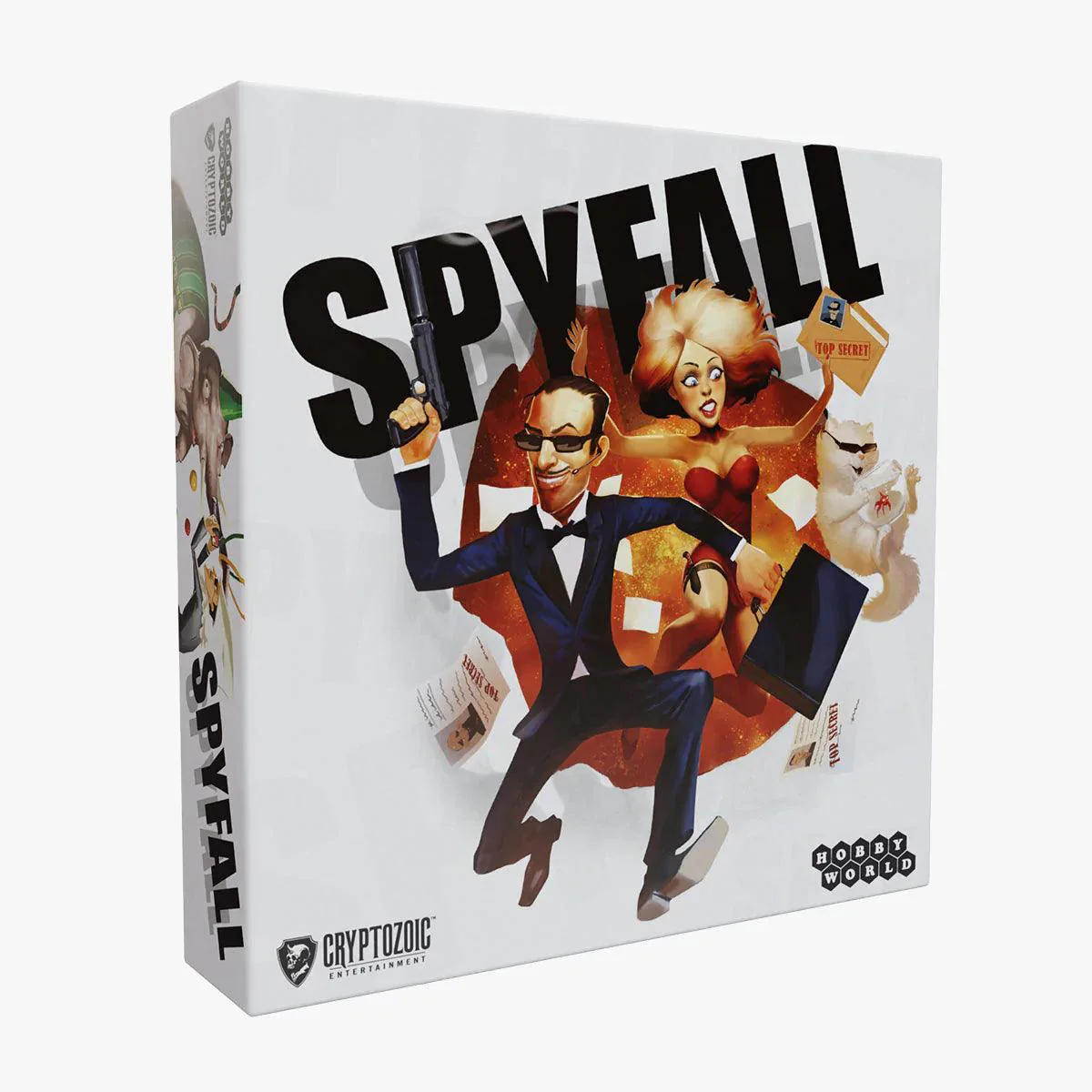
In Spyfall, you are basically thrown into a scenario where everyone knows the secret location—except one person. That person is the clueless Spy. The game is brilliantly simple: players take turns asking each other probing questions to root out the imposter. You might ask, “Is the weather nice here?” or “Do you have to wear a uniform to work?”
The goal for the regular players is to figure out who the Spy is without giving away the location to them. Meanwhile, the Spy’s job is to listen carefully, blend in, bluff brilliantly, and try to guess where on earth they actually are. It is a balancing act of giving answers that are vague enough to confuse the Spy, but specific enough to prove to the rest of the family that you belong there.
| Feature | Details |
|---|---|
| Player Count | 3 to 8 players (best with 5+) |
| Official Age Rating | 13+ (but easily adaptable for 9+) |
| Average Playtime | 15 minutes per round |
| Game Type | Social Deduction, Bluffing, Party Game |
| Setup Time | Under 2 minutes |
Why Families in the UK Love Spyfall
When it comes to keeping the whole family entertained, this game ticks a lot of boxes. Here is why it has become a staple for so many British households:
- Zero downtime: Unlike traditional board games where you wait ages for your turn, everyone is engaged simultaneously, listening out for any suspicious answers or slip-ups.
- Encourages creative thinking: It is fantastic for helping kids learn to think on their feet, requiring them to craft subtle, double-meaning answers.
- Short, punchy rounds: With rounds capped at 8 minutes, nobody has time to get bored or distracted, making it a perfect quick activity between Sunday roast and bedtime.
- Highly portable: Because it is just a deck of cards, you can easily chuck it into your bag for a family holiday to Cornwall or bring it along for a quiet pub lunch.
The Challenges: Is It Too Hard for Younger Kids?
While the box recommends the game for ages 13 and up, parents often wonder if younger kids can join in. The short answer is yes, but there are a few hurdles. The biggest challenge for younger children is the sheer panic of drawing the Spy card. It takes a fair bit of confidence and composure to bluff your way through an interrogation by your older siblings or parents when your mind has gone completely blank!
Additionally, children under 9 might simply lack the geographical or pop-culture knowledge required for certain locations. If a child doesn’t quite grasp what goes on at a “Corporate Party” or a “Crusader Army” camp, their answers might accidentally give the game away. It is not about complex rules; it is entirely about thinking under pressure, which can sometimes be a bit overwhelming for the little ones.
Top Tips for Playing Spyfall with Your Kids
If you are keen to introduce the game to your younger ones, a few simple tweaks can make the experience much smoother and a lot more fun. Here is how you can level the playing field:
- Ditch the timer: Remove the standard 8-minute time limit for the first few games to drastically reduce anxiety for younger players.
- Curate the locations: Go through the deck beforehand and remove location cards that kids might not understand, such as the Crusader Army or the Corporate Party.
- Team up: Pair a younger child with an adult to act as a single player until they fully grasp the bluffing mechanics and feel confident enough to fly solo.
- Focus on the humour: Remind everyone that silly, abstract answers are highly encouraged and the main goal is to have a laugh, not to conduct a serious police interrogation.
3 Fun Facts About Spyfall You Probably Didn’t Know
Want to impress the family with a bit of trivia before you deal the cards? Here are a few interesting tidbits about the game:
- Russian origins: The game was originally designed by Alexandr Ushan and published in Russia before exploding in popularity and becoming a global hit.
- Thematic spin-offs: There are multiple quirky versions available now, including a DC Comics universe edition where the spy takes on the role of the Joker.
- Award-winning design: It was nominated for the prestigious Spiel des Jahres (Game of the Year) award in 2016 thanks to its highly innovative conversational mechanics.
Spyfall vs. Other Party Games
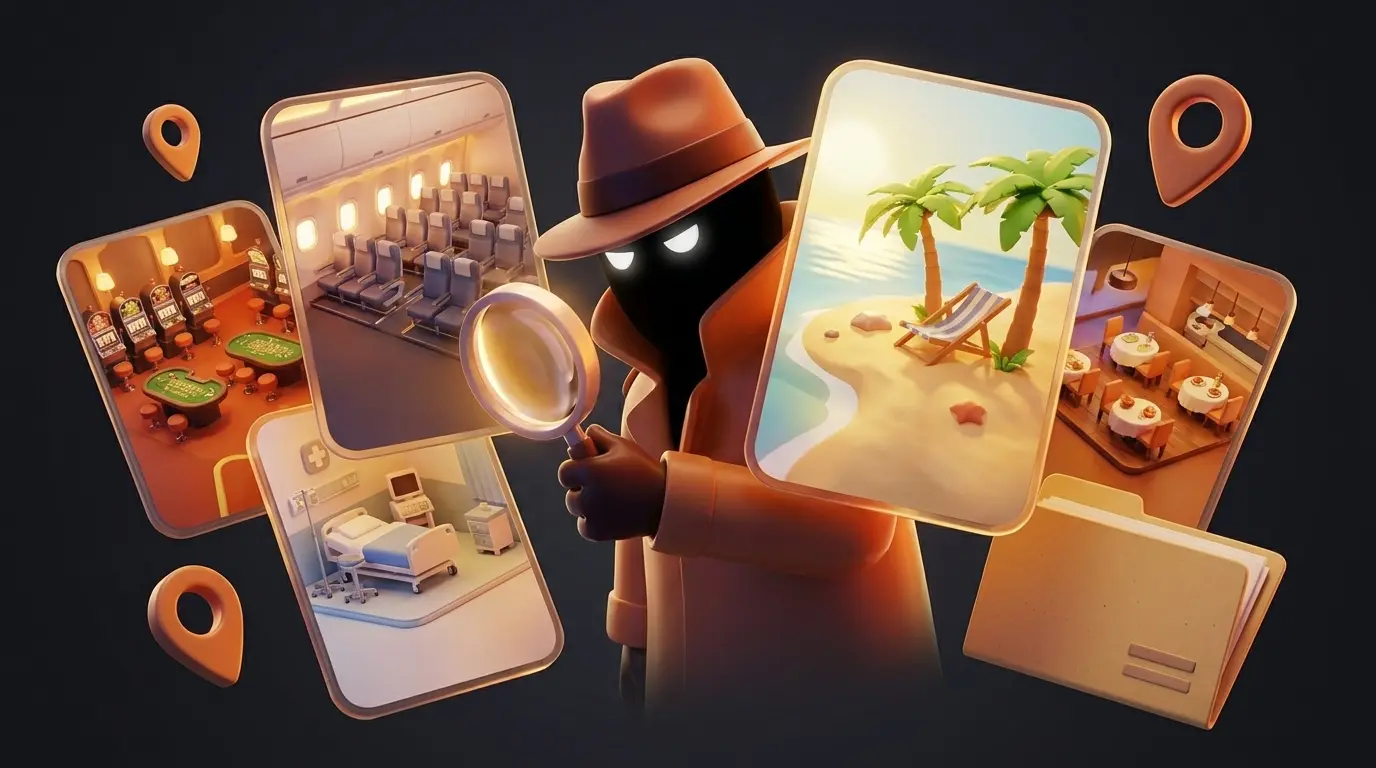
If you are still on the fence, it helps to see how Spyfall stacks up against other popular social deduction games you might already have sitting in your cupboard. While Spyfall thrives on conversation and quick thinking, other alternatives offer a slightly different flavour of family fun. Here is a quick comparison to help you choose the right vibe for your evening.
| Game | The Core Vibe | Best For | Average Playtime |
|---|---|---|---|
| Spyfall | Chatty, bluff-heavy, and highly improvisational | Extroverts and confident talkers | 15 minutes |
| Codenames | Quiet, clever word association and strategy | Deep thinkers and puzzle solvers | 20 minutes |
| The Chameleon | Very similar to Spyfall but uses single words | Families wanting an easier bluffing game | 15 minutes |
| Dixit | Visual, creative, and dreamlike storytelling | Younger kids and imaginative players | 30 minutes |
Sneaky Tactics to Win Spyfall
Want to completely baffle your teenagers or catch your partner out in a cheeky lie? Winning at this game requires a delicate balance of being vague enough to hide your tracks, but specific enough to prove you belong. Here are a few brilliant strategies to elevate your next game night.
- Use the ‘Goldilocks’ question: When you know the location, ask questions that are not too obvious but not completely obscure. Instead of asking “Are there books here?” for a library, ask “Would you get told off for shouting here?”
- Answer and deflect: If you are the spy and someone puts you on the spot, give a brief, vague answer and immediately deflect by asking another player a question to shift the spotlight away from yourself.
- Listen to the complaints: The spy should always pay attention to the emotional tone of the group. If regular players joke about the terrible smell or the freezing cold in their answers, use those clues to narrow down your location list.
- Embrace the awkward silence: If you are the spy, sometimes taking a few seconds to ‘think’ makes you look like a regular player trying to come up with a clever clue, rather than an imposter panicking in secret.
Final Verdict: Should You Add It to Your Game Cupboard?
So, is Spyfall the right choice for your family game night? If your household consists of older kids or teenagers who enjoy a bit of banter and cheeky deception, it is an absolute must-have. It brings out everyone’s creativity and guarantees plenty of laughs without taking up the entire evening.
However, if your children are still quite young, or your family prefers quiet, strategy-heavy board games over loud, chatty party games, you might want to give this one a miss for now.
What is your absolute favourite game to play with the family on a Sunday afternoon? Let us know in the comments below!
Frequently Asked Questions About Spyfall
1. How many people do you need to play Spyfall?
The game requires a minimum of three players, but it truly shines when you have five to eight people around the table. With a larger group, there are more questions being asked, which gives the spy a better chance to blend in and figure out the location.
2. How long does a typical game take?
Each round is incredibly quick, officially lasting a maximum of eight minutes. However, a full game usually consists of several rounds so everyone gets a chance to be the spy, meaning you can easily play for an hour or just have a quick ten-minute blast before dinner.
3. Do you need a lot of table space to play?
Not at all, as Spyfall is purely a card game that relies entirely on conversation. You just need enough room to hand out the role cards, making it an excellent choice for travelling, playing on the living room sofa, or taking down to the local pub.
4. Can you play Spyfall with just three players?
You certainly can, though it changes the dynamic quite a bit. With only three players, the spy has very little time to gather clues from other people’s conversations, making it much harder to bluff successfully without being caught out.
5. Is there an app or digital version of the game?
Yes, there are several free web-based versions where everyone uses their mobile phones to view their secret roles and locations. While this is highly convenient, many families still prefer the physical card game to encourage a completely screen-free evening.
6. What happens if the Spy guesses the wrong location?
If the spy feels the heat, they can stop the game at any time to guess the location, but if they guess incorrectly, the regular players instantly win that round. It is a high-risk, high-reward move, so the spy must be fairly confident before taking the plunge.
7. Are there any expansions available if we get bored of the locations?
Absolutely, there is a standalone expansion called Spyfall 2 which adds loads of brilliant new locations and allows for up to twelve players and two spies. You can also mix the new cards with the original deck for an even bigger challenge once your family has mastered the base game.

Born and raised in London, Paul is the Digital Strategist and Content Manager. With a strong background in multilingual content creation, he works behind the scenes to ensure players worldwide have a seamless, engaging experience while hunting down spies. When he isn’t optimizing website content or testing new web features, you can usually find Paul training at his local MMA and boxing gym, or putting his own social deduction skills to the test in a fast-paced round of our social deduction game.